Vegas Loop: 2026 visitor guide

Educational guide: how the Loop works with the rest of an EV trip, plus station context and official sources—confirm every ride detail in operator apps.

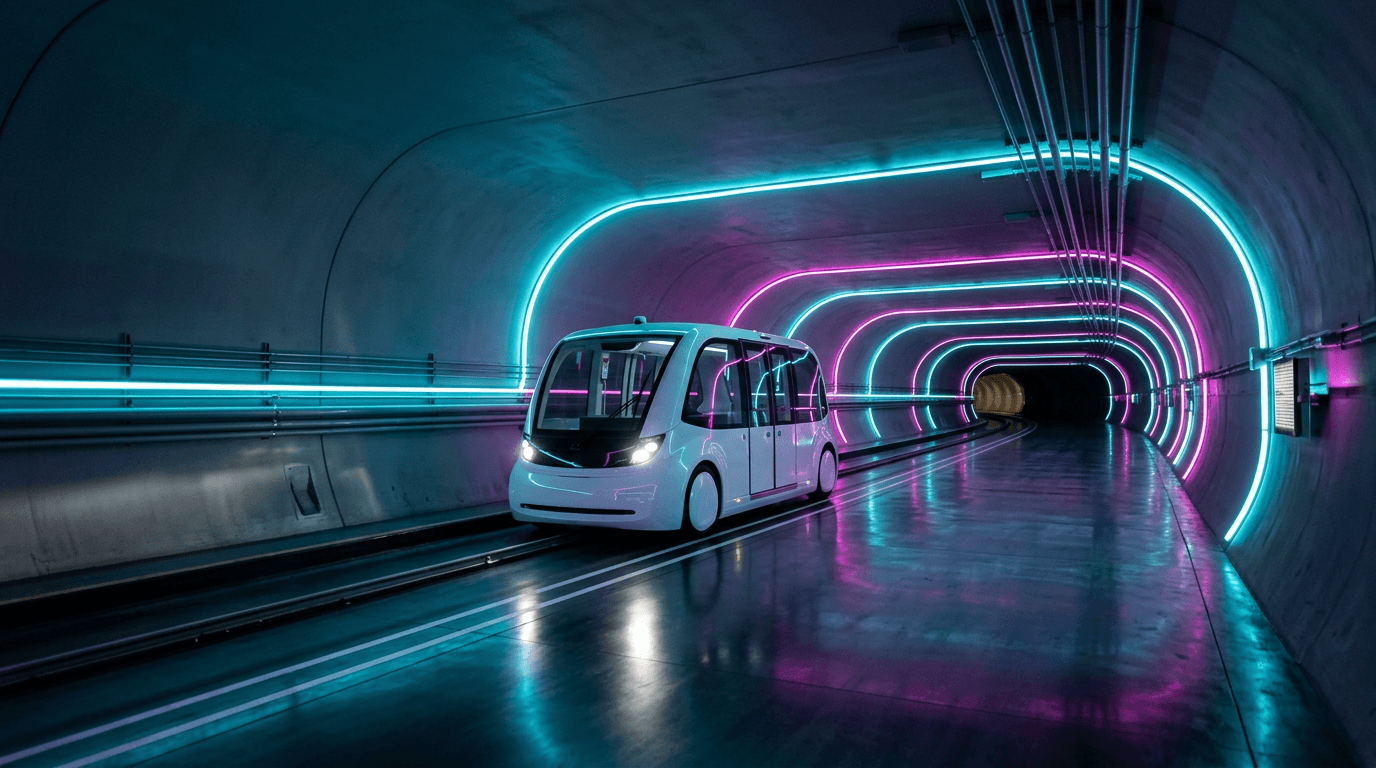
Futuristic neon-lit tunnel with an electric shuttle gliding through the Las Vegas Loop

Last reviewed 2026-04-02. VegasEVGuide is an independent planning resource. We do not operate the Vegas Loop. Hours, prices, routes, and safety rules are set by The Boring Company and local partners—verify all details on official channels before you travel.

How the Loop fits your EV trip

The Loop moves people under the resort corridor; it does not charge your car. Treat it as one leg of a day that may still include driving or renting an EV for longer runs—plan charging before or after tunnel rides on our charging map.

Charging map and EV basics

The 2026 network (planning context)

The Vegas Loop is an underground, Tesla-vehicle shuttle system connecting the Las Vegas Convention Center campus with permitted resort segments. Public materials describe phased expansion; throughput and wait times swing with conventions, concerts, and fight weekends. Use official maps for open stations—this page is a planning companion, not an operator feed.

Fares: verify before you budget

Do not rely on dollar amounts from unofficial sites. Fares, bundles, and promos change by segment, hotel program, and event. Open the official ride flow for the day you travel and screenshot what you need for expenses.

Swipe sideways to see all columns.

Ticket TypePriceNote
Paid segment (typical)VariesOften compared to a short rideshare hop; confirm in the live fare UI.
Convention / campus contextVariesSponsors sometimes cover or discount LVCC-area rides during certain events—read the credential email.
Resort guest programsVariesProperties may bundle or discount access; ask the concierge rather than forums.
Round trips & passesVariesMulti-ride products appear and retire with operator tests—check the app.

Stations you will see in materials

Names and entrance points change as phases open. Use Boring Company and venue links below for the authoritative station list the week you visit.

  • LVCC campus (examples): Convention West, Central, and South campus headhouses appear in public LVCC Loop maps.
  • Resort connectors (examples): Permitted segments have included Westgate, Resorts World, Encore, and Fontainebleau-adjacent access in operator materials—confirm each trip.

Airport and future phases

Long-range approvals have described eventual valley stations including airport and stadium directions. Opening schedules slip—if you need LAS access on a fixed date, plan monorail, rideshare, or rental backup until the operator publishes airport revenue service.

What the Vegas Loop is

The Vegas Loop is a network of small, electric vehicles running in underground tunnels beneath and around the Las Vegas resort and convention corridor. It is designed to move convention crowds and visitors quickly between major venues without fighting surface traffic.

Think of it as a private, on-demand style shuttle in a tunnel—not a traditional train with a fixed schedule on rails. Operators publish the latest capacity, expansion segments, and ride options on their own sites; this guide helps you plan and points you to those sources.

Where it runs

Public materials describe a growing network centered on the Las Vegas Convention Center and connected resort properties. Approved long-range plans reference many miles of tunnel and a large number of future stations across the valley, including connections toward the airport, stadium, and downtown in later phases.

Do not rely on any third-party map for station hours or entrance rules. Use the official ride flow and venue signage the day of your trip.

  • Las Vegas Convention Center Loop: Moves convention attendees across the LVCC campus; often the first experience visitors have with the system.
  • Resorts World connector: Links resort and corridor destinations on the north end of the Strip area.
  • Westgate connector: Connects toward the Westgate area; check official pages for entry points.
  • Encore connector: Serves Encore-adjacent access; confirm station hours before planning dinner or a show.
Placeholder: tunnel interior with guidance lighting (add licensed photo)
Placeholder: station headhouse exterior (add licensed photo)

Hours, fares, and capacity

Fares, hours, and group policies change with events and operator updates. Treat the bullets below as planning reminders, not a price list.

  • Always confirm the current fare and payment method on the official ride site or app before you budget.
  • Major conventions, fight weekends, and holidays can add demand—arrive with buffer time if you have a hard show or flight.
  • Hotel guests may receive different instructions than day visitors; ask the concierge for the nearest open station.

Events and busy periods

When CES, major trade shows, or arena events align, the Loop can be the fastest way across the campus—or a busy queue if everyone has the same idea at once. Early arrival and off-peak moves (before keynote blocks) usually feel calmer.

If you are combining a show on the Strip with convention time, pair Loop rides with a walking buffer and a known charging stop—see our charging map for DC sites you can trust.

System schematic / live map

Embed an interactive map or diagram when you have licensing and a data feed. Until then, use the official operator map linked below.

Example status table (not live data)

Illustrative waits for layout only. Wire a real-time feed later. Use the Live Status Pulse in the page header for the editorial on/off toggle.

StationStatusWait
LVCC West HallOpenExample: ~4 min
Resorts World linkBusyExample: ~12 min
Convention South HallOpenExample: ~6 min

Official sources

Frequently asked questions

Is the Vegas Loop the same as the Las Vegas Monorail?
No. The Monorail is an elevated rail line along part of the Strip. The Loop uses tunnels and small electric vehicles. They serve different paths and ticketing systems.
Do I need a ticket in advance?
It depends on the segment and the event. Use the official ride link from the operator for the day you travel—some flows are walk-up, others are bundled with event credentials.
How long are typical rides?
Public materials promote short end-to-end times within the network, but your real trip time includes walking to the headhouse, security, and queueing. Build in extra minutes during peak convention blocks.
Can I bring a stroller or wheelchair?
Accessibility and stroller policies are set by the operator and venue. Check the official FAQ or ask staff at the station entrance before you queue.
Is the Loop safer than rideshare on the surface?
Both are regulated transportation modes with different tradeoffs. Follow onboard instructions, mind platform edges, and use crosswalks when you exit to surface streets.
Will the Loop take me to the airport today?
Airport service depends on which segments are open in the phase you visit. Read the latest system map on the operator site—do not assume a single tunnel serves every city destination yet.
Where should I charge my EV after using the Loop?
Use our Charging Map to filter for DC fast chargers near your hotel or next stop. Pair charging with a meal or check-in so idle time feels productive.
Who runs VegasEVGuide?
We publish independent EV visitor guides for Las Vegas. For authoritative Loop facts, rely on The Boring Company and venue operators.

Planning Your First Vegas Loop Ride: What Visitors Actually Need to Know

The Vegas Loop is one of those Las Vegas experiences that sounds more complicated than it is once you understand the basics—and less comprehensive than many visitors initially assume once they see the actual station map. Getting both of those calibrations right before your trip saves confusion on the ground.

The system's primary use case for most visitors is moving between the Las Vegas Convention Center's west, central, and south halls. If you are attending a trade show at the LVCC and need to get from one end of the campus to the other without walking a quarter mile of concrete in summer heat, the Loop is genuinely useful. The vehicles are electric Tesla Model X and Model Y SUVs driven by human operators—the autonomous future of the system is still aspirational rather than operational for most riders in 2026. Expect to share a vehicle with other convention attendees heading the same direction, and expect a fare.

For Strip tourism outside the convention center, the picture is different. The Loop's resort network has been growing but the stations are not continuously connected in the way a subway or monorail is—you are not going to hop on at the Bellagio and ride seamlessly to the Stratosphere. Coverage is centered on specific resort partners, and walking or conventional rideshare remains the default for most Strip-to-Strip hops. Check which resorts currently have active stations before you build an itinerary around the Loop.

Booking a ride is app-based, and this is the first place where visitors get stuck. The Boring Company app needs to be installed and set up before you are standing at a station wanting to ride. Payment verification can take a few minutes on a slow hotel Wi-Fi connection. Do this setup at home or on a reliable connection before your trip rather than at the station. Once set up, the booking flow is standard: select your destination, confirm your fare, and wait for your vehicle assignment.

Timing matters at the LVCC during convention weeks. The post-session rush—when a keynote or exhibit floor closes and thousands of attendees simultaneously want transportation—creates queues at Loop stations just like it creates surge pricing for rideshare apps. The practical workaround: leave the session 10–15 minutes early if you are Loop-dependent, or build in 20–30 minutes of buffer before a meeting or dinner reservation that follows a session end. The Loop will get you there; it may take longer than a light schedule allows.

For EV drivers visiting Las Vegas, the Loop fits into a mixed transportation strategy rather than replacing it. Your rental EV or personal vehicle handles the longer excursions—Red Rock Canyon, Lake Mead, Hoover Dam—where driving is the only option. Within the convention center campus or between a small number of resort stops, the Loop offers a covered, climate-controlled alternative to outdoor walking in summer heat. Understanding this split helps you decide when to drive, when to use the Loop, and when to call a robotaxi.

Fares are set by the operator and change periodically; the pricing table on this page reflects our most recent editorial review, but always confirm the current fare in the official app before you board. The Loop is not free at most locations, and the price per short trip can feel high compared to the distance covered—it is selling climate-controlled convenience, not distance efficiency. For LVCC cross-campus travel in July, most convention attendees find it worth it. For a short Strip hop on a mild spring evening, walking may make more sense.

If you have accessibility needs, note that the Boring Company publishes accessibility information in the app and on their official website. Station configurations vary. If step-free access or specific vehicle configuration matters to your group, verify the current status for your specific stations directly with the operator before your visit.