
Robotaxi Features: The Complete Guide to Autonomous Ride‑Hailing
Explore core robotaxi features, from sensors and safety to UX, pricing, accessibility, and fleet operations. Learn how autonomous ride‑hailing works.
Robotaxi Features: The Complete Guide to Autonomous Ride‑Hailing
Robotaxis are purpose‑built vehicles that provide driverless, on‑demand rides within a defined operating domain. Beyond the headline of self‑driving, the strongest robotaxi features span safety, comfort, accessibility, fleet operations, pricing, and city integration. This guide breaks down the core components and capabilities that matter most for riders, operators, and municipalities.
What is a robotaxi?
A robotaxi is an autonomous vehicle designed to transport passengers without a human driver, typically at high automation (often described as Level 4) within a geo‑fenced operational design domain (ODD). The ODD specifies where and when the service runs, including constraints like mapped roads, speed limits, and acceptable weather conditions. Robotaxi features reflect this focus on safe, scalable, and convenient transportation rather than general consumer driving.
Core hardware: the platform behind autonomy
Sensor suite for 360‑degree awareness
- Multiple cameras for high‑resolution visual detection, traffic light state, and lane lines
- Lidar for precise 3D ranging and object contouring in varied lighting conditions
- Radar for robust detection in rain, fog, and through partial occlusions
- Ultrasonic sensors for close‑range maneuvers, docking at curb, and parking
- Inertial measurement unit (IMU) and wheel encoders for motion estimation
- GNSS for positioning, augmented by differential corrections
- Optional thermal sensors to enhance night and adverse‑weather perception
Key design goals include overlapping fields of view, sensor diversity to reduce correlated failures, and self‑calibration routines to maintain accuracy over time.
Compute, networking, and redundancy
- High‑performance onboard compute with AI accelerators for perception and planning
- Redundant power domains, storage, and networking to avoid single points of failure
- Automotive‑grade components designed for vibration, temperature, and longevity
- Secure connectivity (cellular, Wi‑Fi, and often C‑V2X) for fleet ops and updates
Drive‑by‑wire actuation with safety layers
- Redundant steering, braking, and propulsion actuation paths
- Independent power supplies and fail‑safe states
- Fault detection and isolation so the vehicle can enter a minimal risk condition if needed
Energy system optimized for fleets
- Battery‑electric platforms with fast DC charging and active thermal management
- Preconditioning for range and cabin comfort
- Charging interfaces compatible with depot robotics or automated connectors
Software stack: perception, prediction, planning
Perception
- 3D detection and tracking of vehicles, cyclists, pedestrians, animals, and debris
- Semantic segmentation for drivable space and lane semantics
- Traffic signal and sign recognition, including temporary signage
- Change detection to identify new construction or lane shifts vs high‑definition maps
Prediction
- Behavior forecasting with multi‑modal hypotheses (eg, a pedestrian may cross or pause)
- Scene understanding under occlusions and partial observability
- Interaction modeling for merges, unprotected turns, and crosswalk negotiations
Planning and control
- Motion planning that balances safety, comfort, legality, and efficiency
- Defensive driving policies and conservative gap acceptance where appropriate
- Smooth longitudinal and lateral control to reduce jerk and motion sickness
- Minimal risk maneuvers when constraints are violated or confidence drops
High‑definition mapping and localization
- HD maps encoding lanes, traffic rules, speed limits, and curb data
- Continuous map verification and localized updates from the fleet
- Sensor‑based localization for exact pose within centimeters under typical conditions
Safety features that build trust
Safety is the defining feature of any robotaxi program. Key elements include:
- Redundancy end‑to‑end: sensors, compute, power, and actuation
- Rigorous hazard analysis and safety cases guided by industry standards (eg, functional safety and safety of the intended functionality)
- On‑board diagnostics and health monitoring with graceful degradation
- Geofenced ODD management: detect when conditions exceed the envelope and adapt
- Event data recorders to support post‑incident analysis and continuous improvement
- External human‑machine interface (HMI) signals to communicate intent to pedestrians and other drivers (eg, lighting cues, audio chimes)
- Door and ramp interlocks that only allow entry or exit when it is safe
- In‑cabin safety belts, occupancy detection, and reminders
- Emergency stop, help, and call features routed to trained support agents
Rider experience: from booking to drop‑off
Booking and arrival
- App‑based hailing with accurate ETAs and live tracking
- Curbside precision pickup using beacons, sensors, or visual landmarks
- Rider authentication with PIN, QR code, or phone‑as‑key for secure entry
In‑ride comfort and control
- Route preview, stopovers, and seamless destination edits
- Clear ETAs and notifications for route changes or road closures
- Cabin controls for climate, lighting, and media volume
- USB‑C and wireless charging, Wi‑Fi, and optional infotainment
- Quiet cabin with smooth acceleration profiles to reduce motion sickness
- Do‑not‑disturb mode and private audio for calls
Accessibility by design
- Wheelchair‑accessible vehicle options with ramps or lifts and securement systems
- Low‑floor or kneeling entry for easier boarding
- Audio, haptic, and large‑print interfaces; screen reader support
- Tactile buttons for critical functions (eg, start ride, open door, call support)
- Visual captioning for announcements; multi‑language support
- Assistance animal friendly policies and secure storage for mobility aids
Safety and support features for riders
- Always‑available in‑app support and two‑way voice if permitted
- Real‑time trip sharing and trusted contacts
- Emergency services integration and roadside incident workflows
- Clear rider guidelines to promote respectful shared spaces
Remote assistance and operations center
Robotaxis are designed to operate independently, but remote assistance is a crucial feature for edge cases that require context or policy guidance.
- Remote agents can provide high‑level guidance or permissions (eg, confirm a detour path) without directly driving the vehicle
- Escalation workflows for complex construction, emergency vehicles, or police instructions
- Automated service restoration: if a trip is interrupted, dispatch another vehicle with minimal rider friction
Fleet management: keeping vehicles clean, charged, and available
- Intelligent dispatch to balance demand, reduce wait times, and minimize deadhead miles
- Rebalancing strategies that pre‑position vehicles for predicted demand spikes
- Charging orchestration to optimize depot throughput, battery health, and energy costs
- Preventive maintenance informed by telematics and fault codes
- Cleaning schedules, cabin sanitization, and air quality monitoring
- Secure over‑the‑air (OTA) updates for maps, models, and software
- Inventory management for tires, consumables, and spare sensors
Curb management and city integration
- Precise pickup and drop‑off geofences that avoid double‑parking and blocked bike lanes
- Safe passenger exchange flows near hospitals, stadiums, schools, and airports
- Integration with city APIs for curb availability, construction permits, and special events
- V2I features such as signal phase and timing (SPaT) and MAP messages where available
- Compliance with local loading zones, congestion pricing, and low‑emission areas
Pricing, payments, and policies
- Transparent pricing: base fare, distance, time, and dynamic adjustments
- Discounts for pooling, subscriptions, or off‑peak rides
- Payment options: cards, digital wallets, vouchers, and commuter benefits where applicable
- Split fares and business profiles with itemized receipts
- Clear cancellation policies, wait time rules, and no‑show handling
Cybersecurity and privacy features
- Secure boot, code signing, and hardware root of trust
- Network segmentation and encryption in transit and at rest
- Vulnerability management, penetration testing, and coordinated disclosure programs
- Software bill of materials (SBOM) and third‑party component tracking
- Privacy by design: data minimization, configurable video retention, and face/license‑plate blurring where feasible
- Transparent privacy notices and opt‑in controls for analytics and personalization
Measuring performance: what good looks like
Key performance indicators (KPIs) for evaluating robotaxi features and maturity include:
- Safety outcomes: collision rates, severity metrics, and near‑miss analyses normalized by exposure
- Operational robustness: successful trip completion rate, service availability, and ODD coverage hours
- Rider experience: on‑time pickup percentage, ride comfort scores, app store ratings, and support response times
- Efficiency: cost per mile, occupancy rate for pooled trips, energy per mile, and depot throughput
- Map freshness: time to detect and update road changes impacting routing or safety
Weather, construction, and edge cases
- Degraded‑mode policies for heavy rain, snow, or low visibility, including reduced speeds and more conservative gap selection
- Dynamic rerouting around work zones, parades, crashes, and street closures
- Safe pull‑over and service handoff if conditions exceed the operational envelope
- Proactive communications to riders about delays or service limitations
Future‑facing robotaxi features on the horizon
- Wider use of vehicle‑to‑everything (V2X) for cooperative perception and safer intersections
- Autonomous charging and robotic connectors to reduce depot labor and dwell time
- Deeper multimodal integration with transit, micromobility, and ticketing platforms
- Enhanced explainability in‑cabin to show why the vehicle chose a maneuver without overwhelming riders
- Expanded accessibility options, including improved securement systems and navigation aids for low‑vision riders
How to evaluate a robotaxi service as a rider or city partner
- Safety transparency: look for published safety methodologies and post‑incident reporting practices
- ODD clarity: where, when, and under what conditions service operates
- Accessibility: availability of wheelchair‑accessible vehicles and inclusive UX
- Support and accountability: clear contact channels, emergency procedures, and insurance coverage information
- Community impact: curb management practices, emissions benefits, and congestion mitigation strategies
FAQs about robotaxi features
Are robotaxis safe?
Mature robotaxi platforms are engineered with layered safety: redundant hardware, conservative planning, and strict ODD controls. Transparency on safety processes and outcomes is an important signal of program maturity.
How do robotaxis handle construction or unexpected obstacles?
High‑definition mapping, perception, and prediction allow detection of cones, barriers, and flaggers. If a route is unclear, the vehicle can slow, seek alternate paths, or request remote assistance.
What happens if weather turns bad mid‑ride?
Policies typically include speed reduction, increased following distances, or pulling over to a safe location for a vehicle swap if needed. Riders are kept informed via in‑app updates.
Can children ride alone?
Policies vary by operator and jurisdiction. Check age requirements, booster seat availability, and consent rules in your local service area.
What data do robotaxis capture?
Vehicles may record sensor data, diagnostics, and cabin telemetry to improve safety and service quality. Providers should publish retention periods, anonymization practices, and user controls.
Bottom line
The best robotaxi features go far beyond self‑driving. They combine robust safety engineering, inclusive rider experience, efficient fleet operations, thoughtful curb integration, strong cybersecurity, and clear communications. When these elements work together, autonomous ride‑hailing can deliver safer, cleaner, and more reliable mobility at scale.
Gallery
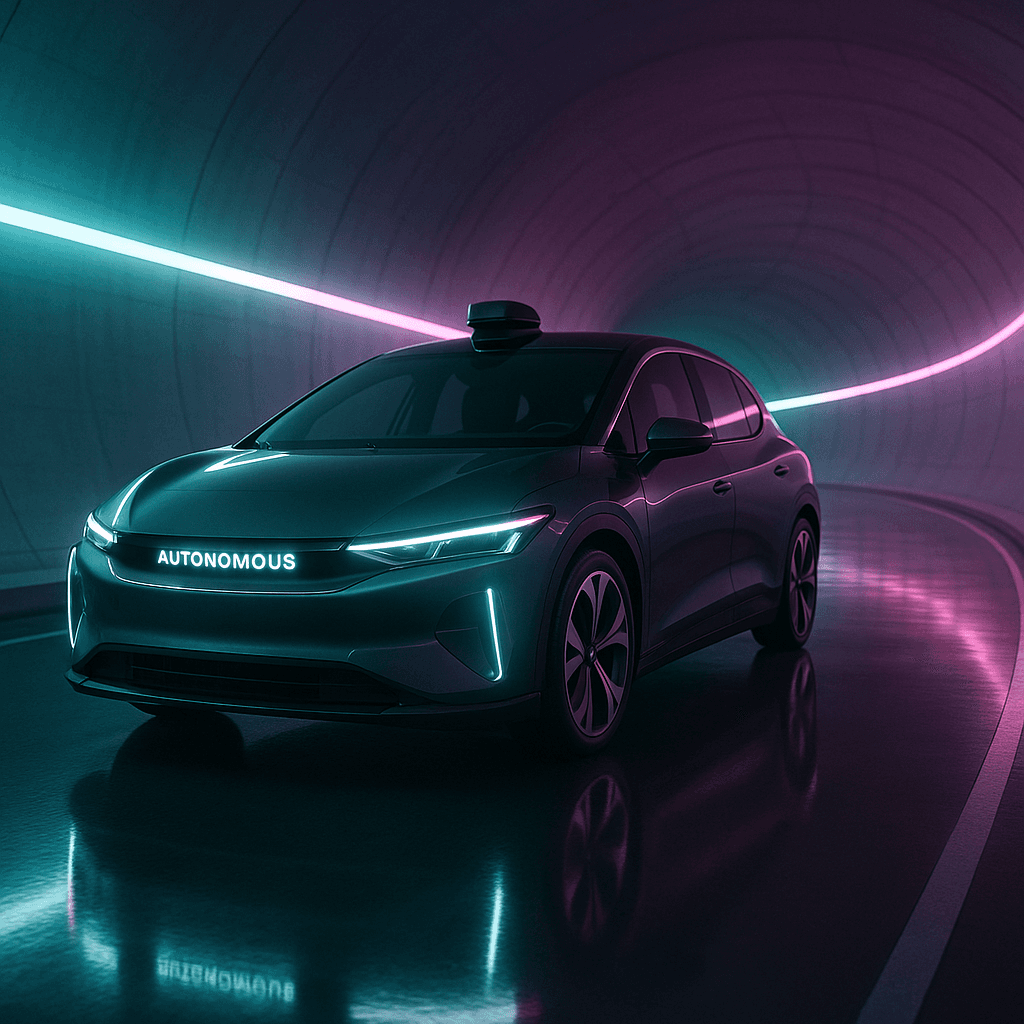

Use our tools alongside articles: map stalls before you drive, run numbers on gas vs electric, and compare rental options when you need a car in town.